Kevin Flaherty, real estate broker, smiling in a professional suit with a blue tie, representing the Flaherty Team.
Kevin Flaherty, top 1% Orangeville realtor for 10+ years, providing free no-obligation home value opinions — call 226-270-6433
Kevin Flaherty Home Selling System Team branding graphic featuring the text ‘Kevin@Flaherty.ca
’ and toll-free phone number 1-877-352-4378
Graphic with the text ‘Online Showings – Get Your Home Sold Faster & For More!’ promoting Video Narrated VR animated online showings for faster real estate sales
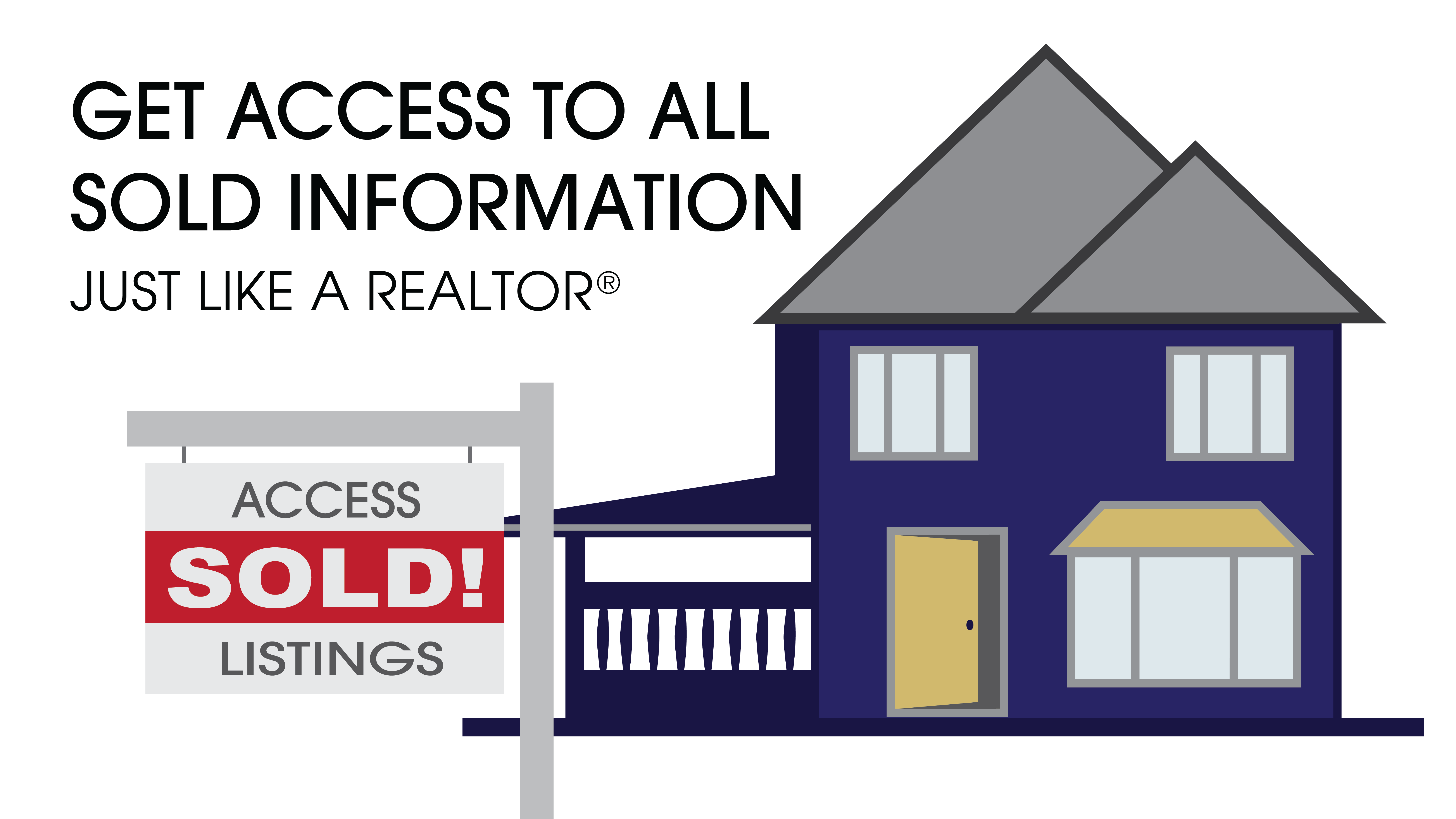
Real estate marketing graphic showing a house with a ‘SOLD!’ sign promoting access to sold listings and property information, with a yellow ‘Click Here’ button offering access similar to a REALTOR.
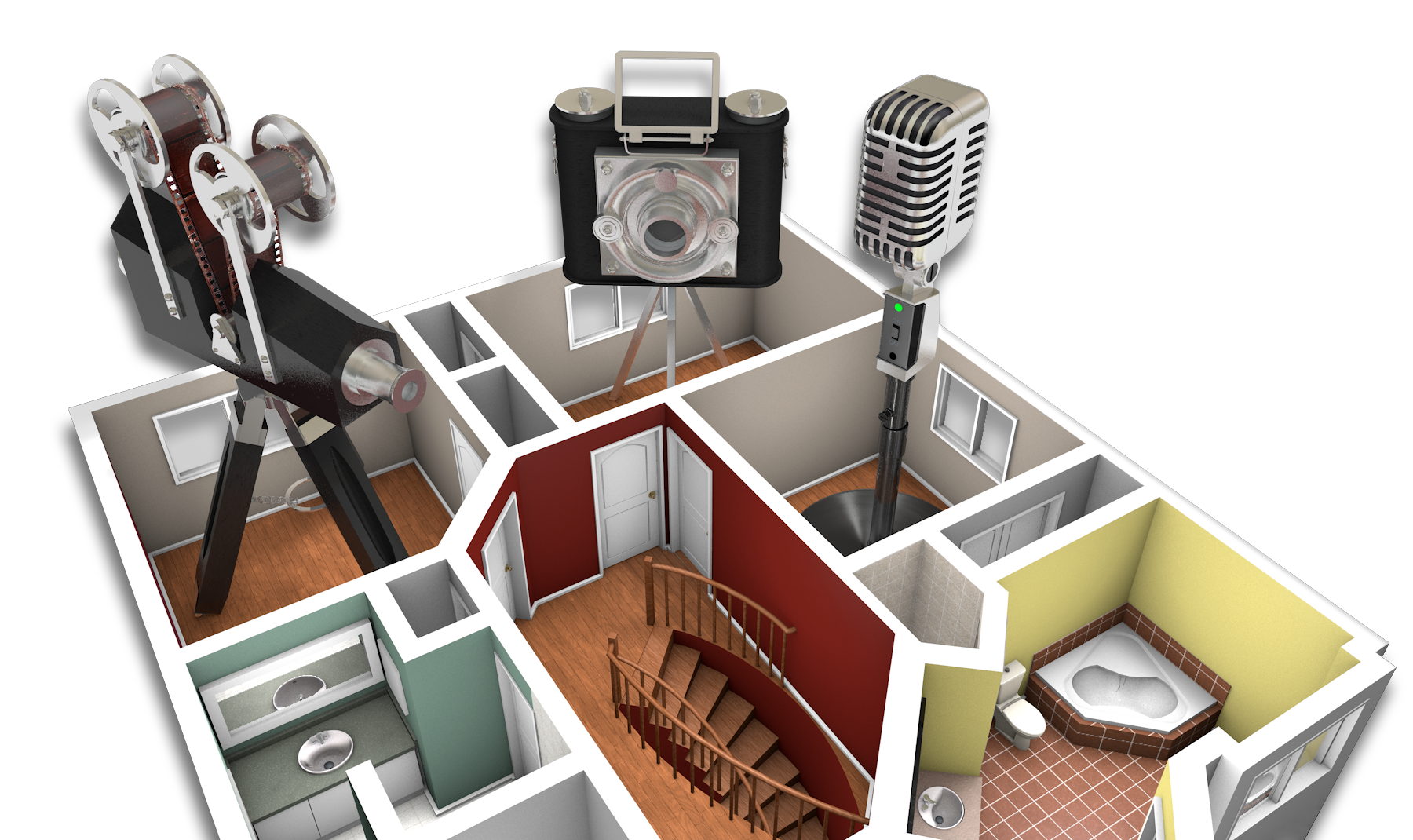
VR floor plan of a home with oversized camera, video camera, and microphone graphics representing high-quality real estate photography, and video narrated VR animated online showings for advanced property marketing.
Flaherty Team logo with Kevin@Flaherty.ca featuring "Flaherty" in bold text, "Home Selling System Team" below, emphasizing real estate services
Graphic with the text ‘Online Showings – Get Your Home Sold Faster & For More!’ promoting Video Narrated VR animated online showings for faster real estate sales
Mono selling timeline · 2026 data

How Long Does It Take to Sell a House in Mono?

TRREB reported that Mono homes averaged 34 days on market in July 2026. Start planning early.

Updated July 2026TRREB July 2026: 41 average DOMGeo: 44.009044, -80.075871Mono, Dufferin County
Direct answer

How Long Does It Take to Sell a House in Mono?

TRREB reported 34 average listing days for Mono in July 2026. Estate, acreage and rural properties can vary materially because land, services, road, outbuildings, documents, price and the size of the qualified buyer pool affect both the public market period and due diligence. For planning purposes, allow roughly six weeks for market exposure after launch, then add time for pre-listing preparation, offer conditions and the negotiated closing.

Reviewed and updated · Market period: July 2026
Current market context

Mono market snapshot — July 2026

These municipal figures describe the reporting period. They are context, not a valuation, guaranteed sale price or guaranteed timeline for one property.

34Avg listing days
$1,285,955Average price
11Sales
102%Sale-to-list

Source: TRREB July 2026 Dufferin Region report — Mono rows; 2026-07-dufferin-regional-report.pdf, page 7. Validated August 22, 2026.

Seller questions

Sellers also asked about Mono

How long does it take to sell a house in Mono?

TRREB reported 34 average listing days for Mono in July 2026. Rural homes, acreage and estate properties can vary materially from that average.

Why can Mono acreage take longer to sell?

A smaller buyer pool and additional questions about land, services, access, outbuildings, insurance, financing and condition can lengthen both marketing and due diligence.

Does average listing days include preparation and closing?

No. Sellers should add time for documents, preparation, marketing media, offer conditions and the negotiated closing.

Which records can reduce delays?

Where available, organize surveys, permits, septic and well records, heating and utility information, warranties, invoices and outbuilding documentation before launch.

How should a Mono sale timeline be estimated?

Combine recent relevant sales, current competition, property complexity, preparation scope, likely buyer conditions and the seller's closing needs. Do not rely on the municipal average alone.

Can drone and video marketing shorten the timeline?

They can help qualified buyers understand land and improvements before booking, but media cannot replace a credible price, accurate property facts or access to supporting documents.

When should the Mono listing strategy be reviewed?

Review inquiries, saves, showings, feedback and new competition after the first meaningful exposure period, then decide whether price, presentation or buyer education needs adjustment.

How long can rural conditions take?

The agreement controls the dates. Financing, appraisal, inspection, water, septic, insurance and legal review may each require different periods depending on the property and buyer.

Timeline expectations

A realistic Mono sale has four separate timing stages.

Days on market is only one part of the selling calendar. A seller who wants to plan properly should separate the work before launch, the public market-exposure period, the conditional period after an accepted offer, and the closing period after the sale becomes firm. The mistake is assuming that the 34-day average includes everything; it does not.

StageTypical planning rangeWhat happensWhat shortens it
Pre-listing preparation7 to 21+ daysPricing, documents, repairs, staging, media, floor plans, and launch copy are prepared.Early document collection and clear repair priorities.
Market exposureAbout 34 days on average in July 2026The listing is live, buyers compare alternatives, and showings create feedback.Correct pricing, strong online explanation, and first-week engagement.
Offer conditions5 to 10 business days, sometimes longerFinancing, inspection, insurance, water, septic, well, lawyer, or appraisal review may occur.Prepared rural-service records and realistic pricing evidence.
ClosingSeveral weeks to several monthsLawyers, mortgage discharge, moving, adjustments, and possession logistics are completed.A negotiated closing date that matches both parties’ needs.
Timeline takeaway: If you want to sell in Mono on a specific schedule, start before the public listing date. The fastest sale usually begins with value, documents, presentation, and buyer education, not with a last-minute MLS launch.
Pricing and speed

Pricing strategy can shorten or lengthen the selling timeline.

A Mono seller should never price from average price alone. The July 2026 average of $1,380,000 is context, but buyers do not buy the average; they buy one property after comparing it with other active choices. A country property with privacy, usable land, views, a strong house, clean systems, and good access may justify a different strategy than a property that needs work or has unclear service records.

Price too high

Buyers may save the listing but delay showings, wait for reductions, or choose better-supported alternatives. Time on market rises and negotiating power can weaken.

Price defensibly

The listing gives serious buyers a reason to act because the value is clear, comparable support is logical, and the first week creates useful feedback.

Price too low

A low price can create speed, but it may not protect net proceeds unless the strategy is intentional and supported by demand, exposure, and negotiation planning.

Kevin’s role is to compare your home against the best current alternatives buyers can book in Mono, Orangeville, Dufferin County, and nearby rural markets. That comparison matters because a buyer considering a Hockley Valley acreage may also compare a Watermark estate home, a Fieldstone property, or a Caledon rural alternative.

Download the Mono Selling Timeline Flaherty PDF with July 2026 TRREB days on market data
Free PDF download

Use the Mono Selling Timeline Flaherty worksheet before you list.

This timeline worksheet helps you organize preparation, launch timing, first-week review, showing quality, conditional risk, and closing decisions. It is especially useful if you are selling an estate home, acreage, hobby farm, or detached property where buyers need more explanation before they feel confident.

Download the Mono Selling Timeline Flaherty PDF

Six-phase plan

A 30-step plan to estimate and improve your Mono selling timeline.

The following plan mirrors the decisions that affect days on market. It is written for Mono sellers who need a practical sequence rather than a generic checklist. The same six phases are also reflected in the HowTo schema for search and AI answer engines.

Phase 1: Confirm the realistic selling window

Review July 2026 Mono market data before setting expectations.

Separate preparation time, days on market, conditional time, and closing time.

Identify the property type: estate home, acreage, hobby farm, subdivision home, or standard detached house.

Compare your intended timeline with buyer demand and current competition.

Decide whether speed, price, convenience, or certainty is the main goal.

Phase 2: Build the evidence-based price range

Review recent Mono sales and active listings that buyers can book now.

Adjust for land utility, privacy, views, condition, outbuildings, services, and location.

Do not use the township average price as the asking-price formula.

Test whether the first-week price will create urgency or hesitation.

Prepare a value story that can be defended during negotiation.

Phase 3: Remove rural-property friction before launch

Collect septic, well, water, propane, WETT, survey, permit, tax, and utility records.

Resolve visible repair issues that make buyers question maintenance.

Organize mechanical rooms, outbuildings, garages, and storage spaces.

Plan weather-sensitive exterior work, driveway presentation, and landscape cleanup.

Prepare answers for inspection, insurance, financing, and appraisal questions.

Phase 4: Create the online showing and launch package

Photograph the property when light, weather, and exterior condition support the story.

Use floor plans and visuals to explain layout, scale, and room function.

Use narrated video to connect the home to land, area, upgrades, and amenities.

Write listing copy that names the Mono pocket and the buyer profile.

Launch with consistent pricing, media, copy, and buyer-facing answers.

Phase 5: Read the first-week signals

Track online views, saves, inquiries, showing requests, and agent feedback.

Compare showing quality with the expected buyer pool.

Identify objections that appear more than once.

Separate price resistance from presentation or document confusion.

Correct weak signals before the listing becomes stale.

Phase 6: Negotiate, manage conditions, and close

Review deposit, closing date, condition length, financing strength, and inspection scope.

Use prepared documents to reduce conditional-period uncertainty.

Respond to inspection or rural-service concerns with evidence, not emotion.

Keep backup-buyer interest warm until conditions are fulfilled.

Plan moving, legal, utility, and closing logistics after the agreement is firm.

Seasonal factors

Season matters in Mono, but preparation usually matters more.

Mono wraps around Orangeville to the north and east, and many properties sell on privacy, rolling land, trails, gardens, views, outdoor living, workshops, and estate presence. Those features can be easier to show in spring and fall, but a winter or summer sale can still work when the listing explains access, heating, driveway care, land use, and the lifestyle buyers are evaluating.

SeasonTimeline advantageTimeline riskSeller preparation focus
SpringFresh buyer activity and stronger exterior presentation.More competing listings can dilute attention.Launch media when grounds, light, and curb appeal support the story.
SummerLand, gardens, pools, patios, and outdoor living show well.Vacation schedules can slow response or condition work.Make access easy and highlight usable acreage and amenities.
FallSerious buyers often want decisions before winter.Shorter daylight and weather changes affect photography.Use strong media and explain heating, maintenance, and systems.
WinterLower competition can help a strong property stand out.Snow can hide land, landscaping, rooflines, and exterior features.Use existing seasonal photos, floor plans, and detailed online explanation.
Buyer qualification

Kevin’s VR system can reduce wasted showing time by educating buyers first.

Mono buyers often need more than a photo gallery. They may need to understand a long driveway, acreage, outbuildings, floor-plan flow, views, privacy, service systems, road access, Orangeville proximity, conservation setting, and how the home fits daily life. If those details are unclear, buyers either skip the property or book a showing before they are qualified.

Kevin’s Video Narrated VR Animated Online Showing highlights all the home's key features and benefits while detailing the property, area, and surrounding amenities. That complete online explanation helps buyers answer practical questions before they visit, which can improve showing quality, reduce avoidable disruptions, and make the active timeline more productive.

Fewer confused buyers

Buyers can see layout, flow, scale, land relationship, and lifestyle context before requesting an appointment.

Better first conversations

Questions move from basic orientation to serious due diligence, offer timing, and fit.

Stronger negotiation frame

The value story is already documented, which helps the seller defend price and respond to objections.

Seller videos

Watch Kevin explain the selling system, marketing, and risk controls.

These videos support the selling-timeline topic because timeline is not only about days; it is about how quickly a buyer can understand the value, gain confidence, and move through conditions.

10 Questions to Ask Before Hiring a Realtor — Kevin Flaherty

Kevin Flaherty explains the questions sellers should ask before choosing representation for a house sale.

Video Narrated VR Animated Online Showings — Kevin Flaherty

A sample of the Flaherty.ca Video Narrated VR Animated Online Showing system, which highlights all the home's key features and benefits while detailing the property, area, and surrounding amenities.

How To Avoid Legal Mistakes When Selling A House — Kevin Flaherty

Kevin Flaherty discusses seller-side legal and disclosure risks that can affect a home sale.

Why Didn't My House Sell — Kevin Flaherty

Kevin Flaherty explains how to diagnose pricing, marketing, presentation, and showing issues when a listing does not sell.

Mono neighbourhood expertise

Timeline expectations change by Mono pocket and buyer profile.

Mono is not one simple pricing grid. A timeline plan should name the actual pocket and explain why that setting matters. This selling-timeline strategy varies across Camilla, Cardinal Woods, Fieldstone, Hockley Village, Hockley Valley, Island Lake Estates, Mono Centre, Purple Hill, Starrview Acres, and Watermark. A buyer looking near Hockley Valley may be prioritizing views and recreation, while a buyer near Island Lake Estates, Fieldstone, or Cardinal Woods may be comparing estate-subdivision convenience and southern Mono access.

First-week signals

The first week tells you whether the timeline is on track.

The first week after launch is not the time to panic, but it is the time to pay attention. Strong online views with no showings can point to price or presentation friction. Showings with repeated objections can reveal documentation or condition problems. Good showings with no offers may mean the value story is close but not fully convincing.

Online engagement

Views, saves, shares, inquiries, and repeat visits show whether the listing is attracting attention.

Showing quality

Qualified buyers who understand the property are more valuable than casual traffic.

Feedback pattern

Repeated comments about price, condition, access, or unclear systems should be handled quickly.

Relaunch note: If your Mono listing already sat longer than expected, do not simply repeat the same photos, price story, and copy. Diagnose why buyers hesitated, then relaunch with a better value explanation.
Proof and experience

What sellers say about the marketing system.

Since 1988, Kevin has learned that sellers do not get paid for features buyers never understand. That is why the Flaherty.ca selling system focuses so heavily on preparation, online explanation, buyer qualification, and negotiation confidence.

★★★★★

“Sold in 4 days, 17 showings, 7 offers, $50,000 over asking when other homes in my area were sitting 6 months to a year. Kevin and his team are second to none when it comes to marketing homes. With the online showing technology they use, I believe my home was exposed faster and to more people.”

— Fay McCrea
★★★★★

“Sold over asking in one day. Before MLS. No open houses, no multiple viewings. Kevin completely removed the stress for myself and family. I highly recommend that you view the professional videos that his team produces that are located on his website. They are amazing.”

— Brian Masulka

You can also read more Flaherty.ca reviews and review sold-property examples before you choose your selling strategy.

Author

Kevin Flaherty

Kevin Flaherty has served south-central Ontario sellers since 1988 and has lived in Mono since 1998. His seller system combines pricing judgment, rural-property preparation, Video Narrated VR Animated Online Showings, buyer targeting, and negotiation coaching for homeowners in Mono, Orangeville, Dufferin County, Caledon, Shelburne, and nearby communities.

Call or text 226-270-6433 or book time through Kevin’s calendar if you want a property-specific Mono selling timeline.

Sources and local authority links

Data sources used on this page.

Market data: TRREB Market Watch, July 2026 Mono row, as referenced in the Flaherty.ca market-data file. Local context is supported with non-prominent outbound links to the municipal, county, and board sources below.

Contact form for home valuation inquiries, featuring a prominent "What's Your Home Worth?" heading and submit button, reflecting Flaherty Real Estate's services for homeowners.

170 Lakeview Court; Unit 3A
Orangeville, ON
L9W 5J7

Logo of eXp Realty Brokerage a real estate agency.

Not Intended To Solicit Properties Already Listed For Sale.

A HoneyCombHub.ca Web Site Solution

Copyright 2026 . All rights reserved.

Terms of Service/Privacy Policy